

Plantar Fasciitis Treatment in Chattanooga:
Foot and Ankle Adjustments
Target the Cause Naturally
Plantar fasciitis is one of the most common causes of heel pain, and one of the most stubborn. At Quantum Chiropractic – Hand & Foot Clinic on Chattanooga's North Shore, Dr. Bartosz Bogucki treats plantar fasciitis at its source. He is the only chiropractor in the Chattanooga area that is trained and endorsed by Chiropractic Hand and Foot Clinics of America (CHFA). He checks and adjusts each bone of the foot and ankle to restore the foot's four arches. When the arches are back where they belong, the stretch and strain comes off the plantar fascia. That gives it a real chance to heal, without shots, without surgery and often without giving up the activities you love.
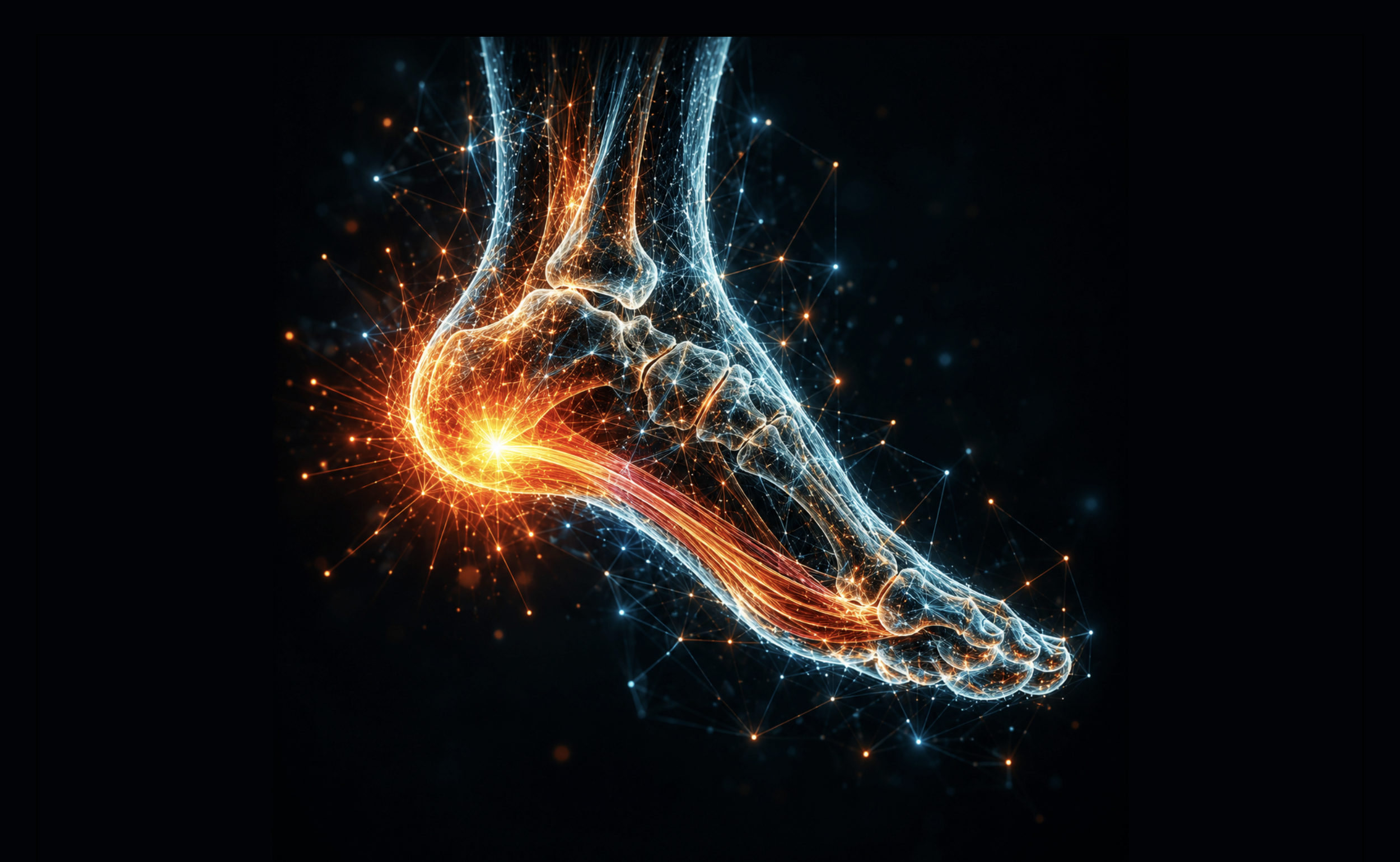
The plantar fascia is a thick band of tissue on the bottom of your foot. It runs from your heel bone to the base of your toes and helps hold up your arch. Plantar fasciitis happens when this band is strained over and over until it becomes painful and irritated.
Common signs of plantar fasciitis include:
Sharp or stabbing pain on the bottom of the heel
Pain that is worst with your first steps in the morning
Pain that returns after sitting for a while
Pain that eases after a few minutes of walking, then comes back after a long day on your feet
Tenderness on the inside of the heel when pressed
What Is Plantar Fasciitis?
What Causes Plantar Fasciitis? The Arches Tell the Story
Most advice about plantar fasciitis focuses on the heel. But the heel is usually where the problem shows up, not where it starts.
Your foot actually has four arches, and all four share the load:
The inner arch runs along the inside of the foot. This is the one most people picture.
The outer arch runs along the outside edge.
The front arch runs across the ball of the foot.
The middle arch runs across the middle of the foot.
These arches are built from 26 bones and 33 joints. When even one small bone gets stuck or shifts out of position, the arch it supports can sink. The plantar fascia then has to pull harder to make up the difference.
Things that commonly start this process include:
An increase in running or walking
Long hours standing on hard floors
Worn-out shoes
Tight calves
Flat feet or high arches
Weight gain
This also explains why rest, ice and pain relievers often help for a while but don't make plantar fasciitis go away. In long-lasting cases, the tissue is usually more strained than swollen. It heals best when the extra strain is taken off.
How Dr. Bogucki Treats Plantar Fasciitis
1. A full foot and ankle exam
Care starts by checking the foot one joint at a time. Dr. Bogucki looks at:
Each of the four arches
How the individual bones move
How far your ankle bends
Your calves, knees and hips
The way you walk
Your shoes, work and training habits
He also screens for problems that can look like plantar fasciitis, such as a pinched nerve, a stress fracture or an Achilles tendon problem.
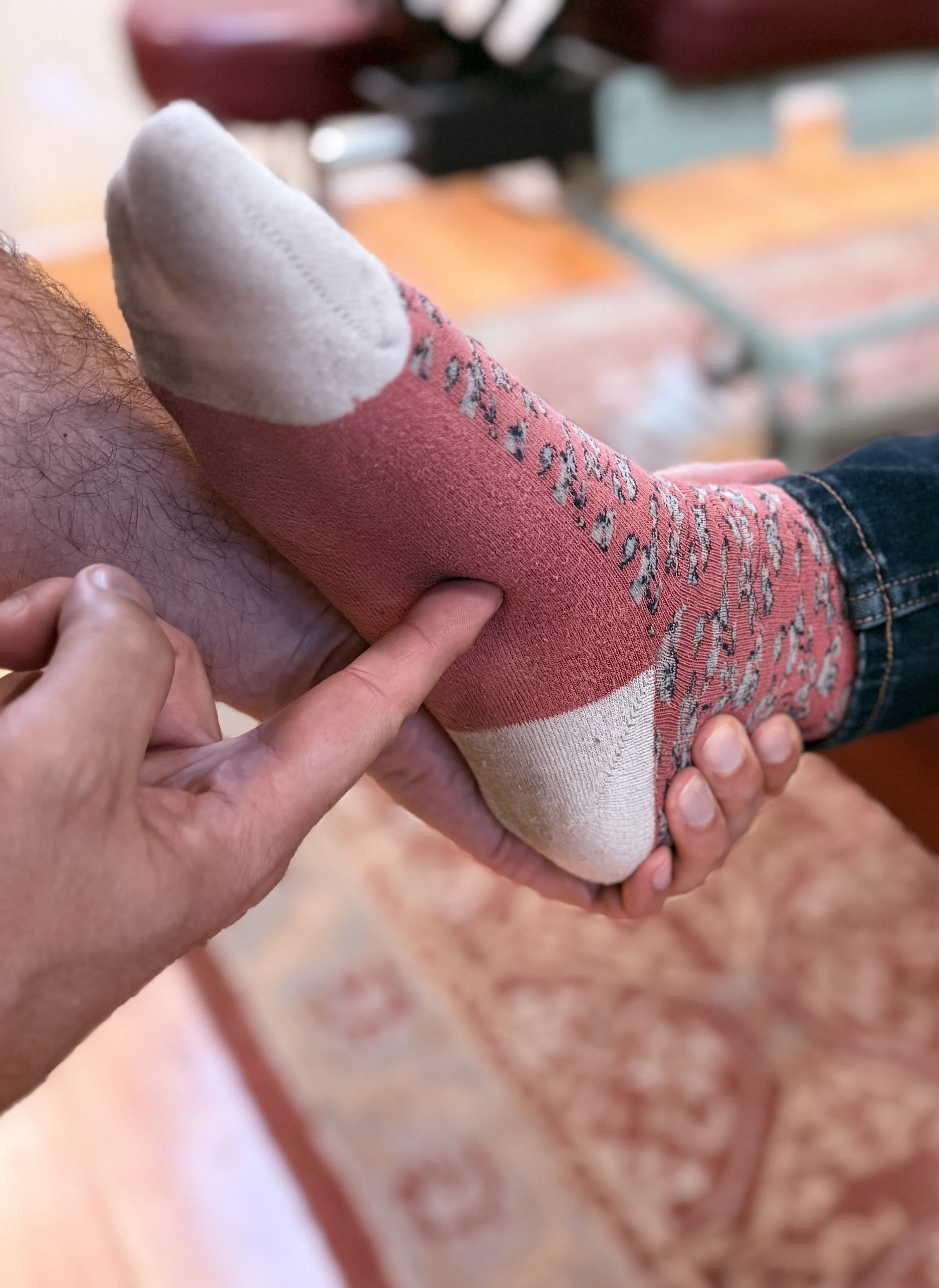
2. Specific foot and ankle adjustments
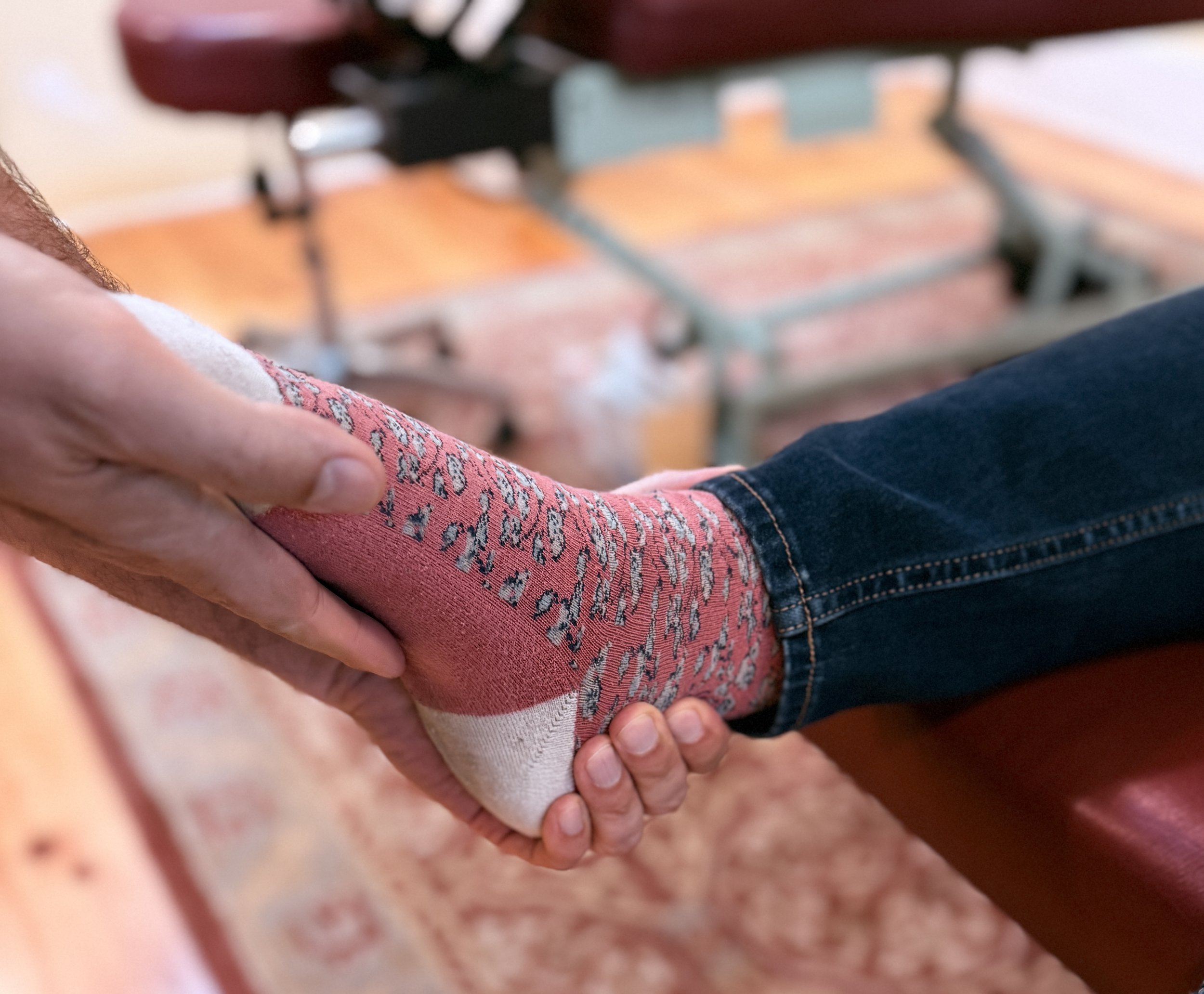
Dr. Bogucki adjusts only the bones that are stuck or out of position. The adjustments are precise and comfortable, and each visit starts with a recheck.
Most people with plantar fasciitis have had a fallen arch for a long time before the heel starts to hurt. Over those months or years, the muscles have gotten used to holding the foot in that flattened position. That's why restoring the arch takes more than one visit. Each adjustment builds on the one before it and makes more progress as the foot settles into its new position.
3. Graston soft tissue work, when needed
Dr. Bogucki completed Graston Technique® M1 (Essential) and M2 (Advanced) training in 2019 and has used genuine Graston instruments in practice ever since. Graston Technique® is a form of instrument-assisted soft tissue treatment. When the plantar fascia or calf muscles are tight and thickened, he uses smooth steel instruments to gently loosen them. Not every patient needs it. It's used when the exam shows soft tissue issues that can benefit from this method.
4. Strengthening exercises
Adjustments put the bones back in position. Muscles keep them there. Strengthening usually begins at the re-evaluation around week 3 or 4, once the arches have started to hold their new shape. Patients get a short home exercise plan for three groups of muscles: the small muscles inside the foot, the lower leg muscles that support the arch and the calves. Starting at this point trains the muscles to support the restored arch, not the fallen one.
5. Custom orthotics, made at the right time
Quantum Chiropractic is a Sole Supports custom orthotics provider, and the timing matters. An orthotic is molded from your specific foot. If the mold is made while your arch is dropped, the orthotic copies the dropped arch. That's why Dr. Bogucki restores the arches first and then takes the mold, to support the maximum attainable arch.
For more severe cases, or feet that will need a long time to rebuild strength, an interim orthotic can be created after a period of time under care to support the arches as progress continues. That way it holds the arch up while the muscles catch up. Research shows orthotics work best alongside other treatment, not as the only treatment. That's how they're used here.
Book Your Plantar Fasciitis Evaluation in Chattanooga
Quantum Chiropractic – Hand & Foot Clinic 512 Tremont St, Ste B Chattanooga, TN 37405 (North Shore)
If heel pain, burning arches, or sore feet have become part of your daily life and you'd like to work with a Chattanooga chiropractor specifically trained to comfortably adjust your feet, I’ll be glad to evaluate your situation and give you a straight answer about whether this kind of care is a good fit for you.